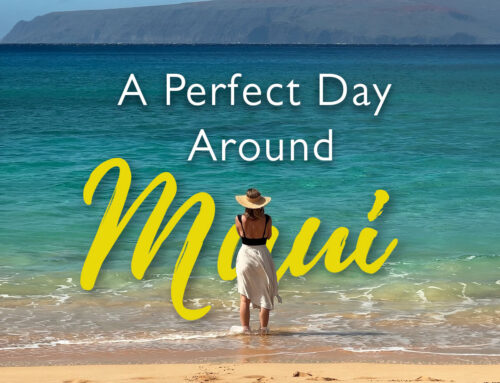
Maui is packed with places worth your time, though a handful rise to the top again and again. Some bring the drama, some are best for slowing down, and some are the kind of stops you plan one day around.
If you’re mapping out a stay on the Valley Isle, start here.

1. Haleakalā
Getting up to Haleakala feels like stepping onto another planet. The summit tops out at 10,023 feet, making it the highest point on Maui, and the road climbs through ranchland, clouds, and a stark volcanic world that looks nothing like the beaches below. On a clear day, the views stretch far across the island and out to neighboring islands.
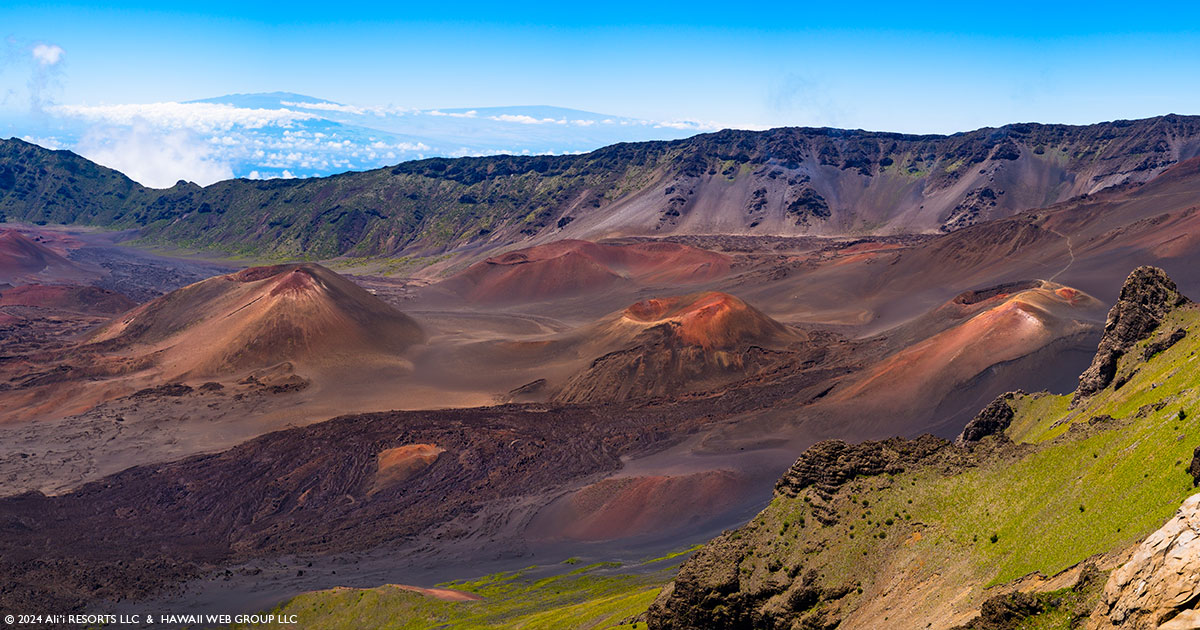
The crater is one of the biggest draws, and first-timers are often surprised by its scale. It’s not a neat little bowl in the earth, it’s a vast, rust-colored basin shaped by erosion and volcanic activity, with cinder cones, lava flows, and trails that seem to disappear into the distance. This is one of the few places on Maui where you can look out over a landscape that feels raw, ancient, and almost totally untouched.
There’s plenty to look for once you’re up there:
- The summit sits above 10,000 feet, so temperatures can feel shockingly cold (Bring warm clothes!)
- The Haleakalā Visitor Center is near 9,740 feet.
- The rare Haleakala silversword grows on the mountain’s slopes and nowhere else in the world, something you can see if you attempt a hike within the crater.
- Sunrise still draws huge crowds, and reservations are required for vehicles entering during early-morning sunrise hours. That said, any time of day is impressive.
If you go at sunrise, dress for cold wind and darkness, not a beach morning. If you go later, you’ll skip the earliest rush and still get those huge, unforgettable summit views.
2. Road to Hāna
The Road to Hana is still one of Maui’s classic adventures, though it’s never really been about speed. The drive covers a little over 50 miles from Kahului to Hana (and back), though the real story is in the curves, the bridges, and the constant temptation to pull over every few minutes (only pull over in legal, safe spots.) You’ll pass waterfalls, bamboo, ocean cliffs, local farms, garden stands, black lava shoreline, and pockets of rain forest that feel a world away from South Maui.
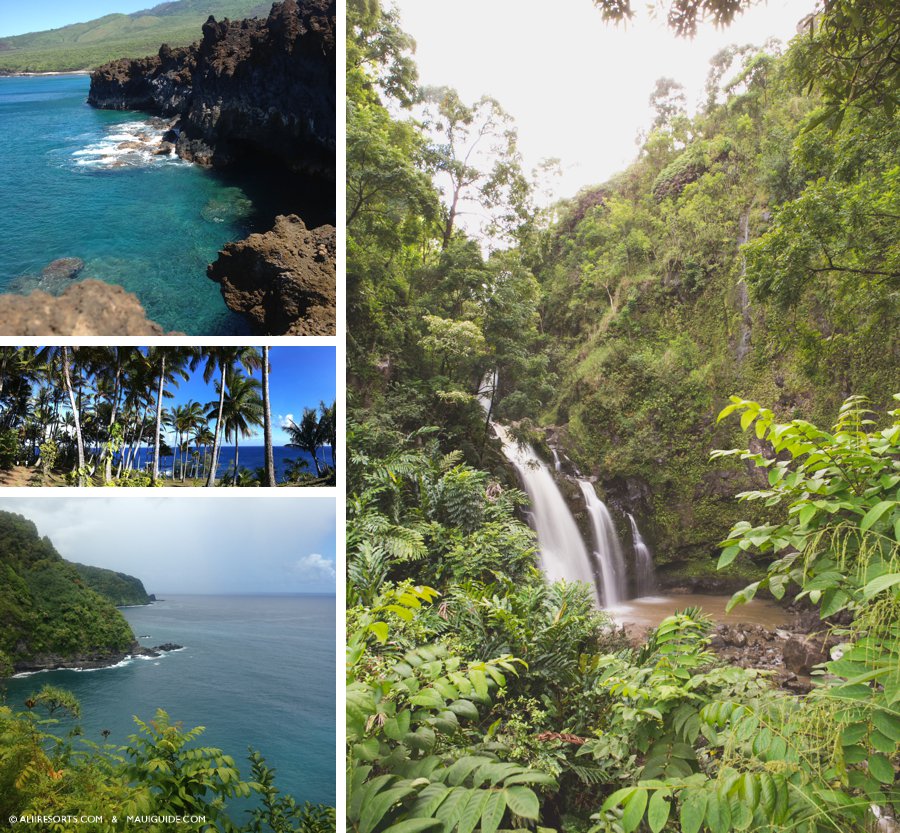
People love to mention the numbers, and fair enough, they’re wild. The route has roughly 600-plus curves and more than 50 one-lane bridges (the exact number is still contested, even by Hana locals.) That means the drive is slow by design. It’s not a casual cruise where you zone out and arrive somewhere later. It’s a full-day outing, best enjoyed with patience, snacks, and enough time to stop without rushing.
A few standout places along the way:
- Keʻanae Peninsula, for taro fields, rough lava coastline, and one of the most dramatic ocean views on the drive.
- Keʻanae Arboretum, for a quick walk among rainbow eucalyptus and tropical plants.
- Waiʻānapanapa State Park, for its black pebble beach, lava tubes, and rugged shoreline.
- Kahanu Garden, where Piʻilanihale Heiau is one of the largest ancient heiau in Polynesia.
One thing worth planning for now, Waiʻānapanapa requires advance reservations for entry and parking, so don’t count on just rolling in. That one detail can make or break a Hāna day. If you book at tour, then you don’t have to worry about reservations.
3. Lahaina
Lahaina belongs on this list, though it has to be talked about with respect and caution. The 2023 fires changed Lahaina in heartbreaking ways, and no current travel piece should pretend otherwise. This was once the capital of the Hawaiian Kingdom, later a major whaling port, and for years one of Hawaii’s most visited historic towns. Today, it remains deeply important, though large parts of Lahaina are still tied to recovery, restoration, and remembrance.
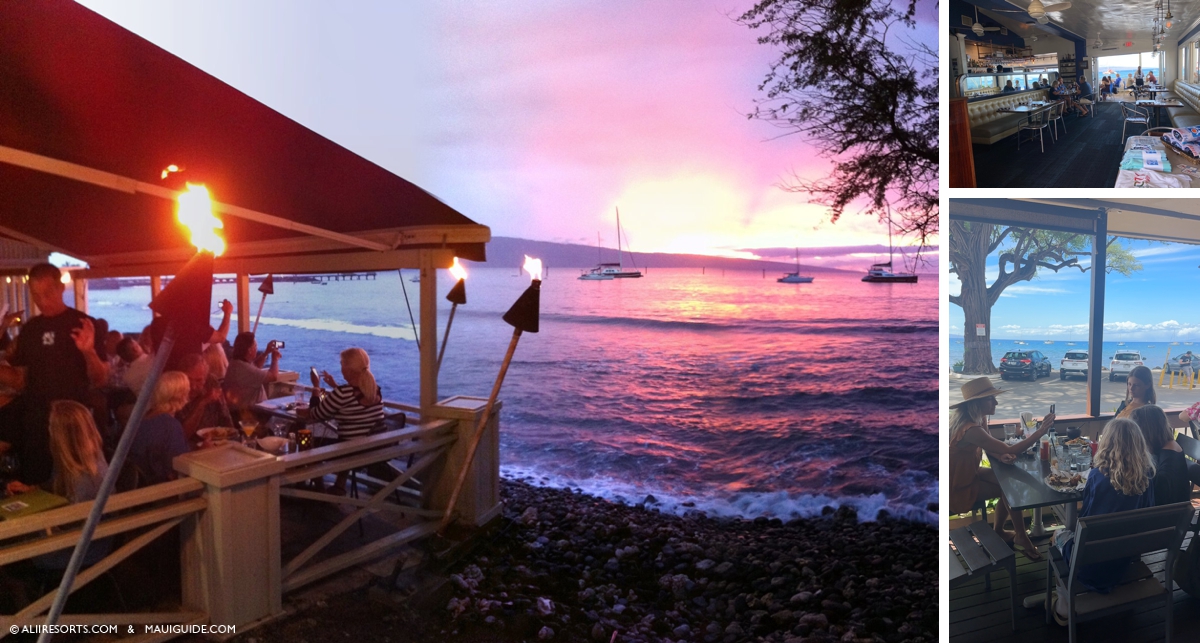
That means this isn’t about carefree wandering and exploring. It’s about understanding the place, respecting the loss, and supporting Maui in a way that makes sense. Lahaina’s history is still immense, and so is its emotional weight.
A few facts that still matter here:
- Some restaurants are back up and running and welcome tourist business. Some favorite include Mala Ocean Tavern and Coco Deck Kitchen + Bar.
- The famous banyan tree was planted in 1873, and yes, the banyan tree has survived the fires! That tree spread across most of Banyan Tree Park over the years and became one of Maui’s best-known landmarks. though it’s still closed to the public, you can see it from the harbor.
Lahaina Harbor has opened for limited commercial access, so you can go on a snorkel, whale watch, or sunset cruise. - Most of the areas you can visit are just south and north of Lahaina Town. Check out Ka’anapali, Olowalu, Kapalua, and much more.
If Lahaina is part of your trip, go with care, follow current local guidance, and support Maui businesses where you can. The town’s story is still one of the most important on the island.
4. ʻĪao Valley
The Iao Valley is one of the easiest ways to get that lush, dramatic Maui scenery without committing to a long haul. Located near Wailuku, the valley is wrapped in steep green walls, fed by streams, and centered around the famous ʻĪao Needle, a narrow, mossy rock formation that rises 1,200 feet from the valley floor.
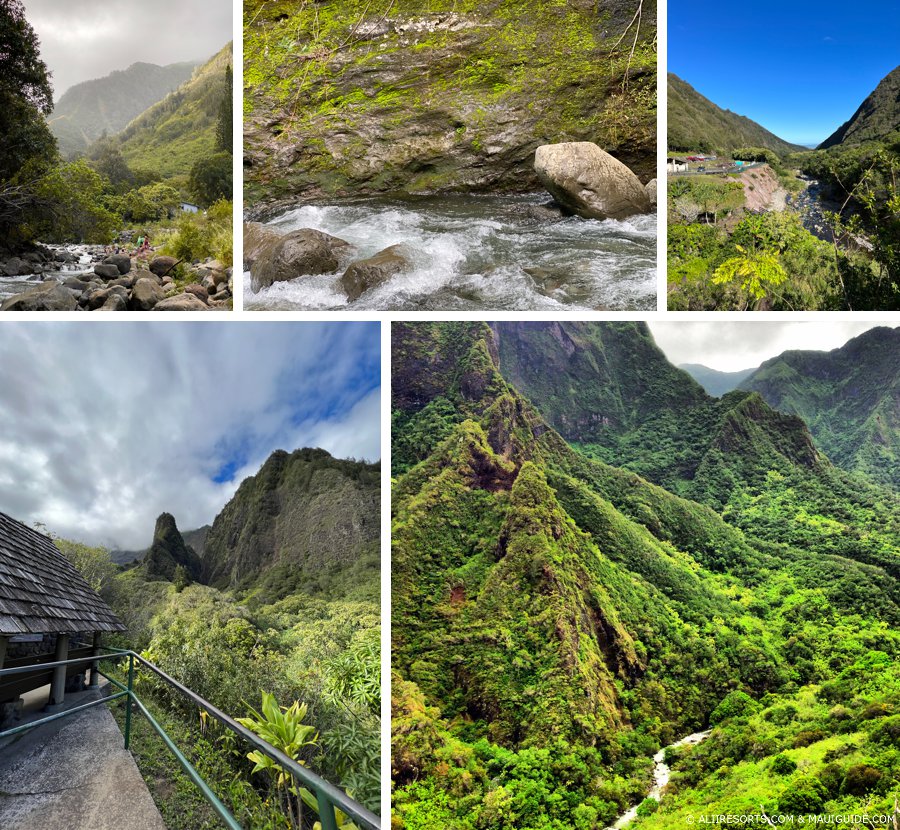
It’s one of the island’s most photographed spots, and with good reason. The setting feels almost impossibly green considering its proximity to drier areas, and even a short visit gives you that deep-valley, fresh-water, cloud-hugged mountain feel that people don’t always expect on Maui.
There’s more to it than the photo:
- The paved walk to the viewpoint is short, about 0.6 miles.
- The site is tied to the Battle of Kepaniwai, fought in 1790. Read all the placards.
- The valley carries cultural and spiritual importance.
- The park includes an ethnobotanical area with plants brought by early Hawaiians.
It’s a great stop for travelers who want a striking view without a major hike. Go early if you can, when the valley tends to feel cooler, quieter, and extra green.
5. Wailea Beach
Wailea Beach is the polished South Maui beach day people picture when they imagine a resort-side stay done right. The t options in #6 below are less-crowded, the sand is soft, the water is usually inviting, and it’s known as one of our best South Maui beaches. It sits in front of some of Maui’s best-known resorts, though the beach itself is public, as Hawaiʻi’s beaches are.

What makes Wailea Beach such a winner is how simple it is to enjoy. You can swim, sunbathe, walk the shoreline path, grab a drink or lunch nearby, and stay for sunset without much effort. It’s one of those places that works for nearly everyone, families, couples, early risers, and anyone who wants a beach that feels reliably beautiful.
A few reasons it’s such a favorite:
- It’s part of the Wailea shoreline, one of South Maui’s prettiest resort areas.
- The Wailea Beach Path links nearby beaches and vacation properties.
- Morning conditions are often best for calmer water.
- Sunset here is excellent, especially with Kahoʻolawe and Lānaʻi out on the horizon.
If you want the classic South Maui beach experience, this is a fun option, though there are dozens around it just as epic. Easy access, good swimming, and a setting that looks expensive even if you’re just there with a towel and slippers.
6. Ulua and Mokapu Beaches
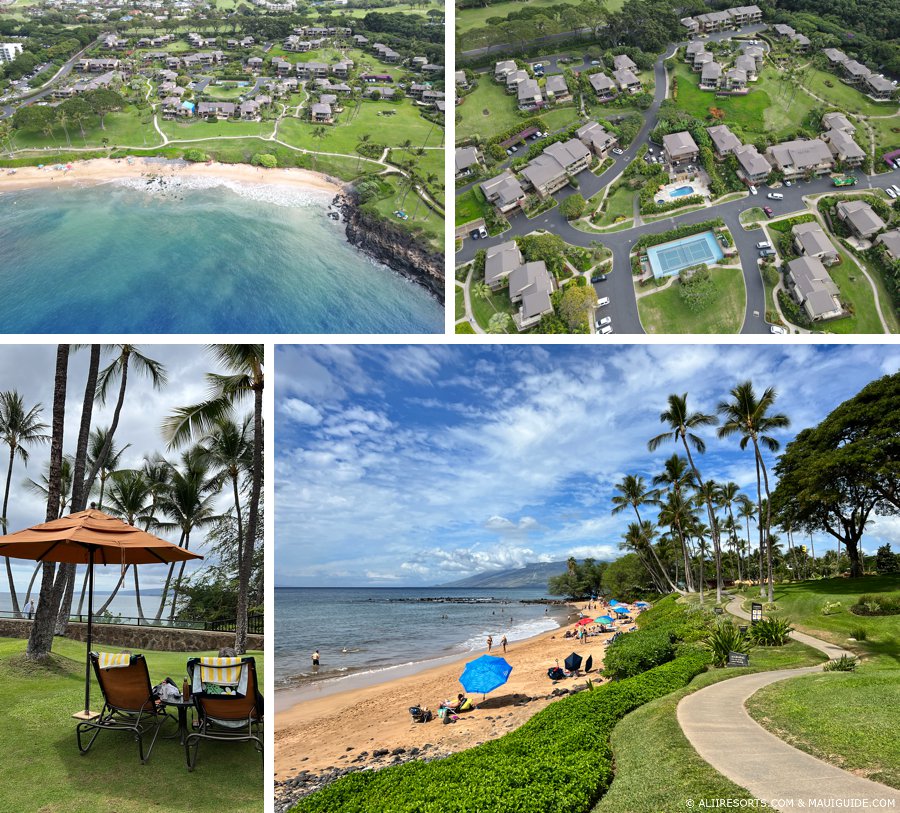
If you’re staying in Wailea, Ulua and Mokapu Beaches are two of the easiest beaches to fall for. They sit right next to each other along the Wailea Beach Path, and together they offer one of the prettiest stretches of shoreline in South Maui. Think soft sand, bright clear water, and the kind of setting that makes it very easy to settle in for a long beach morning.
default
Ulua is especially popular for snorkeling and early-day swimming. The water is often calm in the morning, and the reef near the rocky edges can reward patient swimmers with tropical fish and the occasional turtle sighting. It’s a favorite for good reason, especially for travelers who want a beach that feels active without being chaotic. For those staying in the Wailea Elua Village, you’re literally steps from your room to the beach.
Mokapu, just to the south, has a slightly longer, more relaxed feel. It’s backed by some of Wailea’s best-known resorts, though the beach itself is public, and it’s a lovely place for swimming, walking, and stretching out under the sun. The sand is broad, the views are beautiful, and the whole area has that polished Wailea feel without losing its beach-day charm.
A few good details to know:
- Ulua is one of Wailea’s best-known snorkeling and diving beaches.
- Mokapu connects easily to the Wailea Beach Path.
- Both beaches are great for morning swims and long shoreline walks.
- Nearby resort areas make it easy to pair beach time with lunch, coffee, or a sunset stroll.
What makes these two beaches so appealing is their balance. They’re beautiful, accessible, and easy to enjoy, whether you want to swim, snorkel, walk, or just spend a few hours doing very little at all. For many visitors, this is the South Maui beach experience they end up wanting again the next day.
7. Molokini
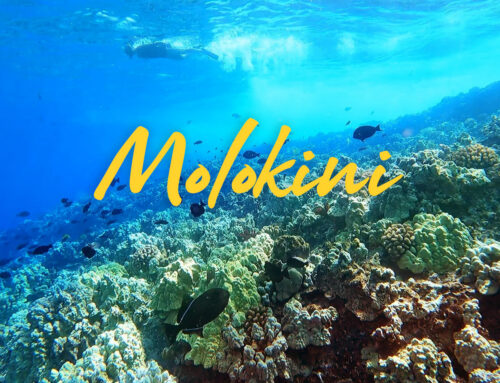
Molokini is one of those Maui experiences that people book early for good reason. This crescent-shaped volcanic crater sits offshore from South Maui and rises out of the water like a half-sunken rim of rock. Seen from above or from the boat, it has a strange, dramatic shape that makes it feel different from your average snorkel stop before you even slip into the water.
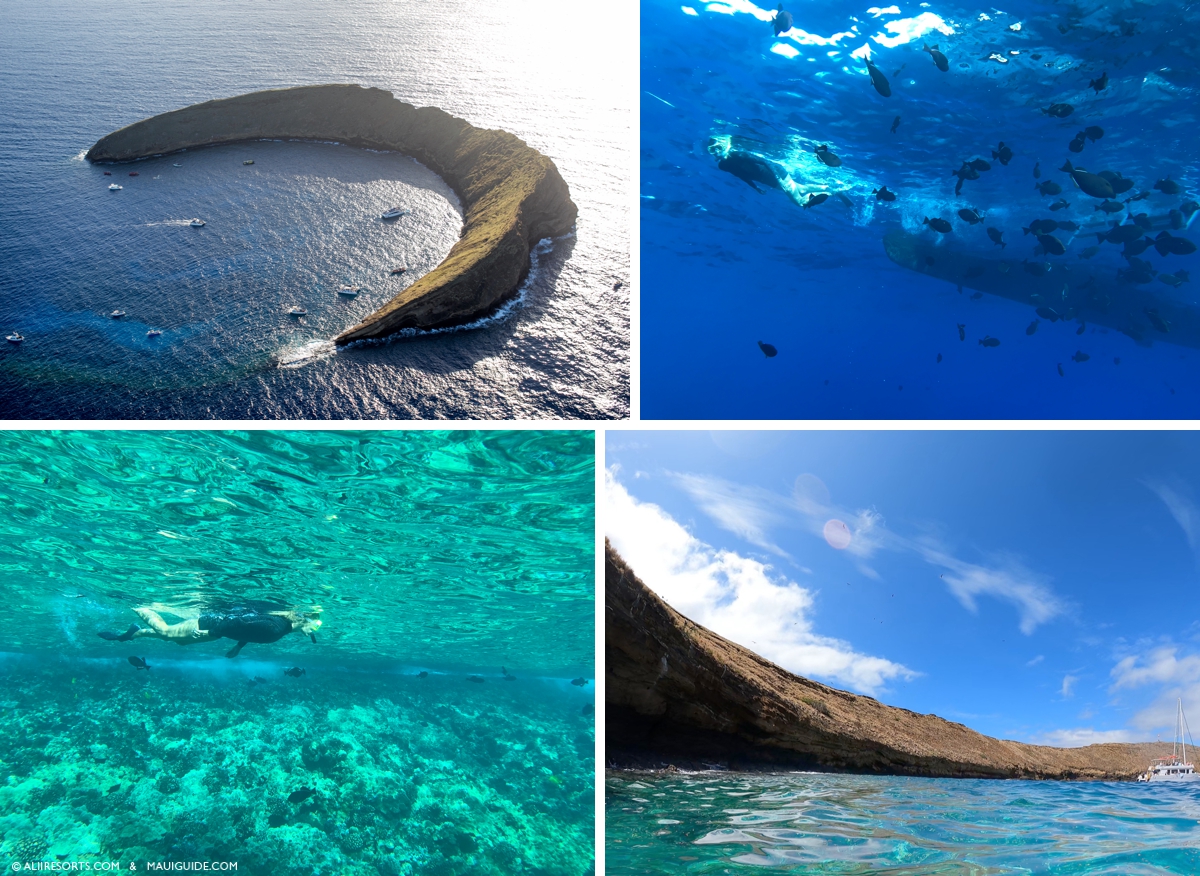
Its protected inner curve helps create the clear-water conditions that made it famous. That’s why so many snorkel and dive boats head there in the morning, usually from Māʻalaea, when the water tends to be at its calmest.
A few facts that make Molokini extra interesting:
- It sits about 3 miles off Maui’s southwest coast
- The crater rises roughly 150 to 160 feet above sea level
- It’s a protected marine life conservation district
- It’s also a seabird sanctuary
This is a strong pick for anyone who wants one boat outing that feels special. The ride out is pretty, the crater itself is striking, and the whole trip has that unmistakable vacation-day feel.

Need a place to stay near many of these favorites?
A South Maui condo puts you close to Wailea, Mākena, Molokini departures, and an easy launch point for the rest of the island.
Reach out to Aliʻi Resorts at (808) 879-6284 and start planning your Maui stay.